 |
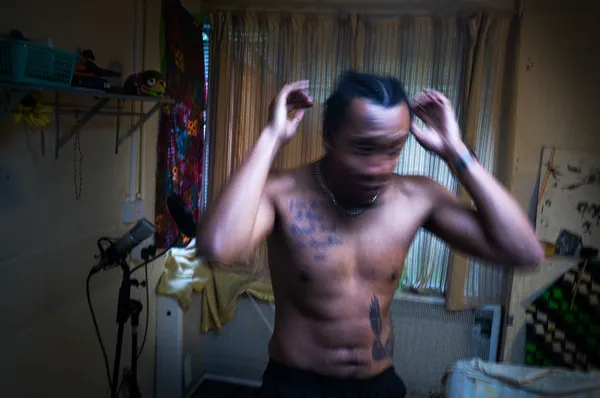
| Jonathan Jules in Florid: 'It was so authentic and so real' Photo: © Florid Limited, British Broadcasting Corporation & Film I Väst 2026 |
While he was in San Sebastian Lumby sat down with the festival to chat about the film, along with Jules and Saskia Chana, who plays a fellow resident, Kyla. Lumby said he has also struggled with mental health, adding: “It’s affected my work, my personal life, for most of my life, to be honest and I wanted to create a film that was authentically showing madness and anguish and some of the things I've been through.
“It's not an autobiographical film, but there's some autobiographical elements too.”
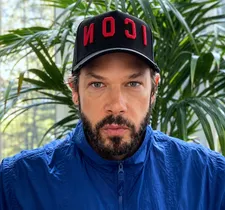 |
| Florid director Billy Lumby: 'I wanted to create a film that was authentically showing madness and anguish and some of the things I've been through' Photo: Courtesy of San Sebastian Film Festival |
He adds: “I started doing research in the UK mental health system. I was spending a lot of time on psychiatric wards, in homeless hostels and a close friend of mine from Hackney, where I'm from in East London, has a diagnosis of schizophrenia. He's quite similar to Jamal in some ways. He's a Black British man with Caribbean parents, and he's a musician, and he's been through the system a lot. So he contributed a lot. We workshopped things together and gradually the script started growing and I started getting more and more people giving feedback.”
He says: “Although I am credited as the writer of this film, there's been a lot of people who have been involved and contributed to the development and the writing of the film.”
Although Jamal ended up being played by Jules, Lumby says that all the roles were allotted via colourblind casting and he said they also auditioned people of all ages for each role as well as auditioning non-actors for each role too. He says it “felt right” that the two leads were professionals because of the complexity of their journeys.
He adds: “But there's also lots of non-actors, psychiatrists, social workers, nurses, many people with lived experiences of psychosis or hearing voices, people with diagnoses such as schizophrenia, bipolar, etc. doing amazing work. And, on the set, I encouraged people to improvise and put things in their own words, so the writing isn't just me sitting and writing something and handing it out, it’s been very fluid, even into the edit.”
 |
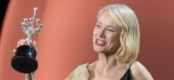
| Saski Chana in San Sebastian, on the help she received from the mental health community: 'They were really wonderful, smart, beautiful people and it helped me to humanise the character a lot' Photo: Courtesy of San Sebastian Film Festival/Marco Barada |
The actress says she was given a lot of material by Lumby in order to prepare for the film, including books and documentaries. She also visited a mental health ward in East London to meet the women there and get to know them.
She adds: They were really wonderful, smart, beautiful people and it helped me to humanise the character a lot.”
She says that when she met Jules “it just felt very natural and I knew Billy had selected someone who was going to be really interesting, and deep and collaborative in the same way”.
Jules, whose previous roles include Dennis in Steve McQueen’s Small Ax episode Alex Wheatle, says: “Before meeting Billy I had my own experiences with people I know who have been in hospital. So I’ve gone to psychiatric wards before, in my teens.” He adds: “It was so authentic and so real.”
Lumby says that they practised in public as well as in closed rooms, including at Dalston market in London, where he was pushing Jules to become more extreme as Jamal’s mental health was worsening. He adds: “It’s not easy in a busy public place to suddenly go there but it was all part of our getting to know each other as well, getting close to each other and trusting each other. But I can’t thank enough all the people from the mental health community in London”
He adds that Clare Holman, who plays Jamal’s care co-ordinator Lisa in Florid, is a mental health professional in real life and was a consultant on the film. He says: “I did research around London, including the National Psychosis Unit in South London, but in East London, where she works, she opened a lot of doors. I got to see a lot of things that most people wouldn’t see. And that was helpful for me to try to get an overview of the whole system.”
He said it was helpful as it helped him to be a story that “you see over and over again”.
He explains: “Young men, smoking cannabis, becoming unwell, going to hospital. Their family doesn't understand what's going on to start with. Eventually, they come out get better, and they start smoking again.” He adds: “Lots of people smoke weed, but some people who do that, it doesn’t react well with their body and you just see this cycle of people going back into hospital.
“The thing is, and this is something I tried to show in the film – hopefully it’s clear – it's not like anyone with mental problems is using drugs to lead a hedonistic lifestyle, they’re using them to self-medicate themselves. They've got lots of strong emotions and highly likely past experiences in their lives and often substance abuse is a way of reducing those emotions, But ultimately, it makes them worse.”
One of the key elements of Florid is the fluid camera work. Lumby says it was important for him that he and his director of photography Adric Watson remained “spontaneous at all times”.
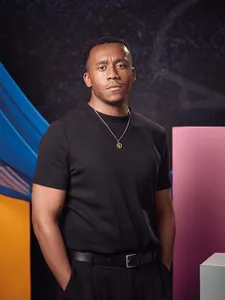 |
| Jonathan Jules in San Sebastian: 'The one thing I’d like people to take away from the film is self-compassion' Photo: Courtesy of San Sebastian Film Festival/Marco Barada |
In terms of what they hope others will take away from the film Chana says: “The key thing is to help people to feel seen if they're having personal experiences and going through mental health and feeling unwell, so they don't feel so alone.”
Jules adds: “The one thing I’d like people to take away from the film is self-compassion and how important it is.”
Lumby concludes: “One in five people take medication for mental health. It's just not something that we talk about, especially severe mental health, like the topic of this film. It's swept under the carpet and because no one really makes films about it that are accurate and no one talks about it, there’s stigma, there’s shame. Any time you hear about schizophrenia on the news, it's always when something's going horribly wrong and that's usually not just the person, it's the support system around that person. Acts of violence are extremely extremely rare, and all the people who I’ve met are such lovely people, and there's a real misunderstanding [about it]. So not everyone may like this film, but hopefully for the people who do see it, it will encourage some kind of debate and discussion and talking about it.”
Florid plays at London Film Festival tonight at 9pm and on Monday, October 12 at 4.30pm