





Eye For Film >> Movies >> Testimony (2025) Film Review


Gabrielle was born in an Irish mother and baby home. They let her stay with her mother until the age of four, then abruptly separated them, taking the girl to another institution. As nobody adopted her, she was sent to a Magdalene laundry at 16, told that nobody wanted her, and set to work. Despite her best efforts, she remained in the system for another two and a half years. But Gabrielle is one of the lucky ones. She’s still alive.
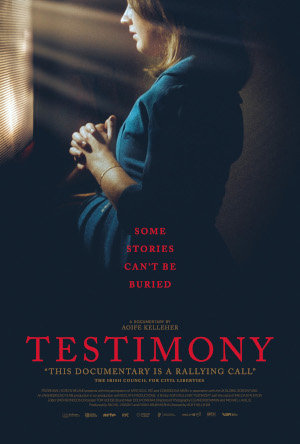
If you’re familiar with the scandal of these institutions, you’re likely to have come across stories like that before, but not so long ago, they were shrouded in silence. It took a considerable effort to break through the wall of trauma, fear and shame, to collect the testimony necessary to support the official hearings and take the first steps towards justice. A complement to previous works on the subject rather than a competitor, Aoife Kelleher’s Testimony, ten years in the making, explores the legal process and celebrates the courage of the survivors who made it possible.
Deftly moving from one subject to another, and interspersed with powerful pieces of testimony like that of Gabrielle, the film interweaves the history of the Magdalenes with the successive legal and political developments that followed their closure, pointing up the different ways in which these fell short of meeting survivors’ needs. It also introduces key allies who explain how they became involved with the campaign. Maeve O’Rourke describes how hearing about the Magdalenes on television inspired her to go into human rights law, which would lead her to campaign through the UN. Journalist James Smith explains how his relationship to the case shifted in an instant when a woman he was interviewing asked him “What are we going to do about it?”
Mari was flown to the US to be adopted; she remembers happy times there, better off than many, until she got into trouble and all her adoptive parents’ fears and prejudices came flooding out. We see her in a Zoom meeting with others who went through the same experience, and one can reasonably surmise that there must be others out there who never learned the full truth about their origins. Claire tells us that when she was adopted nobody would tell her her original family name, leading to her feeling rootless and lost. Survivors remember how the homes were filled not just with orphans and the children of unmarried teenagers – how, in fact, any child from a struggling household could be removed on grounds of supposed neglect, so everyone had to tread carefully.
It’s time to put the state in the dock, survivors agree. The Church could not have done what it did without state involvement: indeed, there are clear examples of it given here. And yet, as a note at the end of the film explains, some institutions are still not cooperating fully in efforts at truth and reconciliation. Where state-recorded testimony was dry, often cut down by cautious lawyers or diminished by patronising questions, here it is led by the survivors themselves. The pain and the passion in their words makes it clear that the conversation is still far from its conclusion.
Reviewed on: 21 Nov 2025



Director: Aoife Kelleher
Writer: Aoife Kelleher, Rachel Lysaght
Starring: Imelda Staunton, Maeve O'Rourke, Rod Baker, James Smith, Frank Brehany, Carmel Cantwaell, Elizabeth Coppin
Year: 2025
Runtime: 105 minutes
Country: UK, Ireland
Festivals:
Search database:
