





Eye For Film >> Movies >> Ancestral Beasts (2026) Film Review



There is a darkness hanging over some lives that does not easily depart. It’s not always something we’ve picked up along the way, even inadvertently. Sometimes it belongs to those who came before us and it lingers in anticipation of our birth, waiting for a chance to attach itself. Still, director Tim Riedel suggests in his semi-autobiographical Fantasia 2026 contribution, how we respond to it is up to us.
Elyse (Morgan Holmstrom) has a good idea of where her trauma comes from. She likes to listen to the Stolen Matriarchs podcast, reflecting on what happened to previous generations of her people. Still, she is not in control. When she loses it with a customer again at work she almost gets herself fired. Her differently ferocious big sister Nikki (Darla Contois) does some impressive talking to get the boss to agree to grant stress leave instead. Elyse decides to head back to their old home town and take some time out there, staying in the house recently bequeathed to them by their Aunt Adele, a house which was previously their grandmother’s. It’s a house which has seen trouble too.

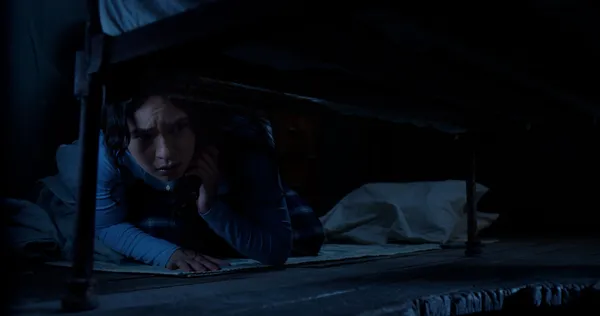
Homecoming is a complicated process for many indigenous people. It’s recognised as such, and Elyse finds a community ready to welcome her (and in some cases, perhaps, to take advantage). But how much can she really relate to the people there? Will they understand her problems? Will she be able to heal? Making all this more difficult is her sense that she’s not alone in the house. When she finds blood there, her instinct is to clean it up and say nothing. In a pivotal shot about halfway through, we see her through the bars of a cage intended for a racoon. Is she being positioned as a prisoner or as a threat which needs to be caged to protect other people?
When it comes to the starker, less purely psychological elements of horror in the film, Riedel goes back to basics, utilising classic techniques yet doing so with a confidence and lack of self-consciousness that makes them seriously scary again. The realist approach that he takes to the film as a whole means that when it slips out of that space, the result is truly unsettling. It’s exacerbated by Elyse’s sense of isolation, as people repeatedly let her down when she needs help – something she has experienced throughout her life. Despite her sister’s early support, the relationship between the two of them is deeply troubled and in places outright abusive. Nevertheless, Elyse finds it difficult to blame her for this, recognising that she has been through similar traumas.
Nothing in this narrative works quite the way it would in a healthy situation. Elyse struggles to find a balance between intimidating people and being treated like a doormat. Reckoning with the presence in the house will take all her resolve. Behind it all is the echo of genocide. How does one reconcile oneself to a history like that? Overwhelming emotion seems like a rational response, but what Elyse has to try to work out is a way to live.
Reviewed on: 24 Jul 2026


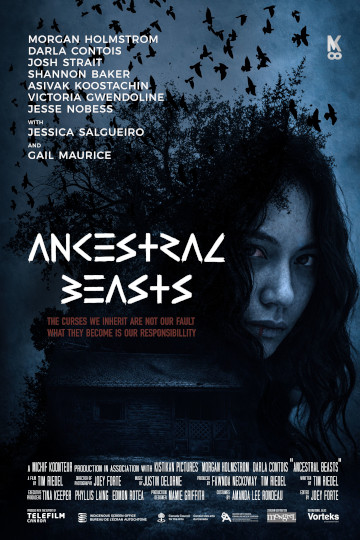
Director: Tim Riedel
Writer: Tim Riedel
Starring: Jess Salgueiro, Morgan Holmstrom, Asivak Koostachin, Shannon Baker, Gail Mauris, Darla Controis
Year: 2026
Country: Canada
Search database:
