





Eye For Film >> Movies >> Boorman And The Devil (2025) Film Review

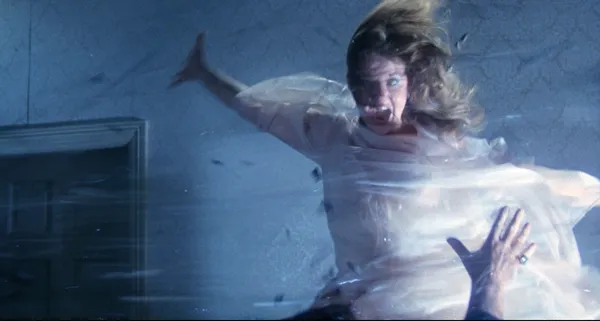

One of the most influential directors in the history of cinema, John Boorman has created masterpieces in multiple genres. Deliverance, Hell In The Pacific, The Tailor Of Panama, Queen And Country – and, of course, Excalibur – have won him admirers across generations and across the world. Then there is, um, Exorcist 2: The Heretic.
This not another documentary along the lines of Best Worst Movie. It isn’t intended to ridicule the film – rather to examine, piece by piece, the series of disasters which led to it receiving some of the worst reviews in the history of cinema, with patrons walking out in droves and desperate efforts to recut it being made before it had finished its opening week. The mystery of how this could happen to such a talented director becomes all the stranger as documentarian David Kittredge introduces each of his interviewees, reminding viewers just how much talent was involved in the film. The number of contributors he has managed to track down for this film is itself remarkable, given not just the age of the film (it was released in 1977) but how unhappy many were about what became of it. Intriguingly, what emerges is a portrait of people who bonded in adversity, forming lasting friendships.
The key to the whole thing, of course, is Boorman himself. Though Kittredge shot their interview in just one day, it goes into tremendous detail. Sitting on a comfy grey velvet sofa in his living room with Merlin’s headgear and a mask from Zardoz in the background, with Excalibur itself resting against his piano, Boorman has an extraordinary openness about him which would make him a compelling subject even if he’d never made a film in his life. The process, which for years he had hesitated to begin, seems to be cathartic for him. There are moments when he looks close to tears, but also laughter and a clear affection for both the project and the people involved. He may be in his nineties but his keen intelligence shines throughout.
Compressing enough material for a series into a mere 112 minutes, Kittredge takes us right through the project from its conception to its unfortunate reception and the various events that followed after. There is no Richard Burton here, of course (he died just seven years after the film’s completion), but given that he was absent in all but body for most of the shoot, that isn’t as big a problem as it might seem. Linda Blair still speaks enthusiastically about working with him. The documentary’s secret ingredient is Louise Fletcher (best remembered as the original Nurse Ratched in One Flew Over The Cuckoo’s Nest). The other member of the film’s central triad, she remains enthusiastic about the whole thing, with fond memories of cast and crew and no end of great stories.
Making this film entertaining was never going to be a challenge for Kittredge. Everyone has good stories, and the central tale is itself full of drama, with a new disaster hitting every time the film got back on track, including a rare disease which almost cost Boorman his life. A lesser documentarian might have settled for this, but Kittredge drills down into the technical aspects of the production and makes them equally compelling. He looks at the pioneering use of Steadicam, the stunning work that went into the set design, and Boorman’s amazing in-camera effects work, including a scene shot using ghost glass which made some of Excalibur’s most memorable visuals possible. The script is subject to a thorough analysis, challenging easy interpretations rooted in the logic of the film’s predecessor, and there’s also consideration of Ennio Morricon’s score, written under pressure in just a few days but still celebrated as one cinema’s greatest even by people who hate The Heretic.
There are little clues in the documentary’s own incidental music to the phenomenon that was going to hit cinemas later that same year, changing the face of cinema and, curiously enough, giving Boorman his chance at redemption. But kittredge isn’t looking for apologies any more than excuses. He’s interested in persuading his viewers to look at Exorcist 2: The Heretic in a new way, with a fuller appreciation of the triumphs hidden amongst its failings – and, along the way, in exploring the artistic process. Any serious creator will tell you that there is a lot more to learn from flawed work than from successes. Although not a minute of this film is wasted, it will leave you wanting to learn more. Kittredge gives his viewers the tools to go out and do that for themselves. This is an essential film for would-be critics, and, well, for anyone with a real passion for the cinematic art.
Boorman And The Devil screened as part of the 2026 Glasgow Film Festival.
Reviewed on: 30 Mar 2026


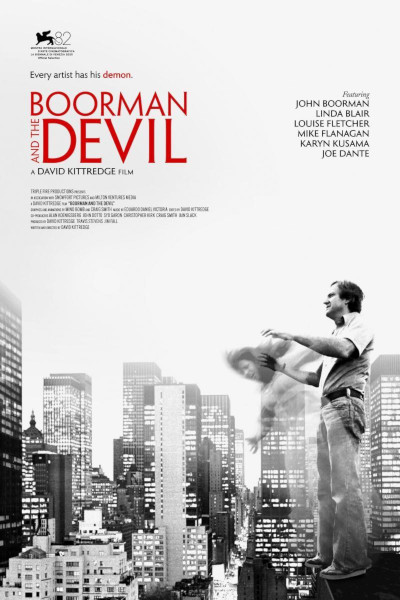
Director: David Kittredge
Writer: David Kittredge
Starring: John Boorman, Louise Fletcher, Karyn Kusama, Mike Flanagan, Joe Dante, Linda Blair, Simon Abrams
Year: 2025
Runtime: 112 minutes
Country: US
Search database:
