





Eye For Film >> Movies >> 12:08, East of Bucharest (2006) Film Review
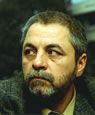


Virgil Jderescu is a former textile worker struggling to keep his small television station afloat. Tiberiu Manescu is a history teacher with a drink problem. Emanoil Piscoci is an old man whom everybody fondly remembers as Santa Claus. All three live in the same unnamed eastern Romanian town, and on the 16th anniversary of the revolution they come together on Jderescu's show to discuss what they remember about the downfall of communism. But the truth can be hard to pin down, and each of these men gets more than he bargained for.
12:08 was the time, on the December 22, 1987, that Nikolai Ceacescu ceased to be the ruler of Romania. He did so after thousands of people risked their lives by going out into the streets of Bucharest to protest. But did the same thing happen all over the country, or did people not in fact go out to demonstrate until Ceacescu was already gone? As our three heroes bicker over their memories of what happened that day, we are reminded of the importance of such memories as a political tool, the past informing the present.
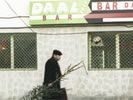
Manescu's students, however, don't care much about the past - and when they do, they're more interested in the French revolution than in the one which took place in their own country. All they really want to do is to set off firecrackers and enjoy themselves. With so much about the adults' day to day lives seeming to have changed little since that famous December day, these children represent a more pivotal cultural shift, a more genuine expression of freedom, but the only adult who seems able to see this is a Chinese man who didn't move to Romania until the revolution was over.
12:08, East Of Bucharest asks important questions about the importance of the past, the way we live our lives in the present and the hopes we might entertain for the future. It does so with subtle observational humour and a keen sense of the absurd. Its characters are firmly grounded in ordinary life and are easy to identify with; we are often tempted to laugh at them, but this doesn't make us care any less. Their town is filmed in relentlessly grim tones under a permanently grey sky, but this reflects their opinions of it as much as reality. Only when they can let go of their bitterness will they remember how they really felt on that famous day and see once again how beautiful it can be.
This is a delightful, multi-layered film which has much more to say than is apparent on the surface. It'll make you laugh, it'll make you squirm, and it will make you think about what it is you really value.
Reviewed on: 16 Aug 2007


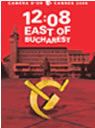

Director: Corneliu Porumboiu
Writer: Corneliu Porumboiu
Starring: Mircea Andreescu, Teodor Corban, Ion Sapdaru,
Year: 2006
Runtime: 89 minutes
BBFC: 
Country: Romania
Search database:
