





Eye For Film >> Movies >> Sheep In The Box (2026) Film Review



You have to hand it to Hirokazu Kore-eda on some level. There are few other directors who could take a theme as dystopian as replacing dead children with artificial intelligence humanoids and craft a hopeful fable about unlikely families. Despite this interesting angle, his tale of near future grief, childhood imagination – as nodded to by the title’s reference to kids’ classic The Little Prince – and the possibilities of technology, suffers from an underdeveloped subplot and over-indulged length.
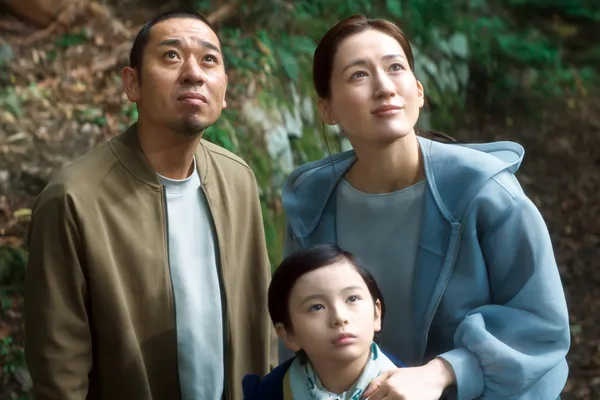
In a near-future – nicely indicated by an early drone doorstep delivery – architect Otone Komoto (Haruka Ayase) and her husband Kensuke (Daigo, known primarily as a comedian to Japanese audiences) are struggling to come to terms with the loss of their son. Seven-year-old Kakeru (Rimu Kuwaki) died in an accident two years previously and now a company named REbirth is offering them a complimentary replica of him – “you’re not ready to forget”, suggests the firm’s advertising line, which is about as satiric as this film gets.

When the ‘new’ Kakeru arrives Otone is immediately smitten whereas Kensuke insists he is just “a roomba”, except we know the kid will soon be hoovering up his new dad’s affection. There is humour in these early scenes, which also lay out the ‘robot rules’ that include the fact that they have a GPS that programmes them to stop working if they get more than 30m away from their parents, and that water is a no-no. Additional energy is provided by Otone’s sceptical mother but the tonal shift between humour and heartache never comes off.
A subplot, involving a group of unloved, abused and/or jettisoned robots who want to take Kakeru under their wing, is a typical Kore-eda ‘chosen family’ but here it is sketched rather than the lived in delight as it was, for example, in Shoplifters. This is especially detrimental, as Kore-eda brings them to the fore towards Sheep In The Box’s underpowered climax.
When the film does occasionally show its teeth, it bites hard – the most heartbreaking moment involves a grubby robot trailing behind ‘parents’ who have evidently forgotten all about her with the arrival of a new baby. The central story sets up some interesting ideas about to what degree the new Kakeru can channel the original or, indeed, learn brand new things but the emotional thrust lacks tension (and those looking for a more thoughtful consideration of themes of guilt and grief should try After Yang). The nuanced performances are a saving grace as Kore-eda’s plot becomes more mechanical than meaningful, and the drama is torn between the narrative’s moving parts, so that they become functional rather than deeply felt.
Reviewed on: 31 May 2026


