





Eye For Film >> Movies >> Nino (2025) Film Review
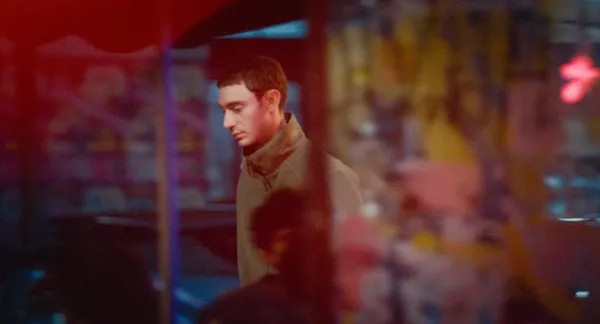

The first feature film by French director and screenwriter Pauline Loquès, Nino, premiered in the Critics’ Week section at the 2025 Cannes Festival and has continued its festival journey, most recently playing at the Warsaw Film Festival. A seemingly ordinary trip to the hospital for a medical certificate, where Nino (Théodore Pellerin) unexpectedly learns about his illness and discovers he has only three days to repare before starting treatment.
On the surface, the story of Nino addresses questions of life continuation and preservation. Recurring reproductive motifs – sperm freezing, a pregnant nurse, ovulation stimulation, playing with a friend’s child – focus attention on how life is born and continues in diverse ways. Yet beneath this apparent theme lies a deeper reflection on the value of life itself, on what shapes one’s sense of living, and on how a person preserves themselves in both time and the memory of others. This is revealed through Nino’s personal questions after learning that he must freeze his sperm before chemotherapy: he reminisces as of his father, asks his mother about him, seeks to understand what he was like at birth, and even asks a friend whether he himself has changed – almost as if trying to sense where he begins and where the memory of others continues.

The film’s visual language is restrained, almost minimalist, yet vivid orange and red accents in clothing, objects, and interiors act like flashes of emotion, life energy, anxiety, and hope. Against the calm palette, they animate the screen and create a dynamic, making the visual space richer and more expressive.
The beginning and end of the film are framed by the same gesture – stating one’s name and surname in the hospital. At the start, Nino responds absentmindedly, almost automatically, without engagement or comprehension, as if it were merely a bureaucratic formality. By the end, he answers attentively and firmly. This contrast reveals his transformation, personal growth, and inner maturity.
“Like a newborn,” the nurse says while placing the bracelet on Nino’s wrist before the first procedure – a moment that feels like the film is winking at the audience, reminding them of the importance of reproduction with the same insistence as social advertising about contraception. At the same time, this gesture symbolises a moment of reawakening for Nino himself – confronted with illness, he is given a chance to view life anew, to feel its value and vulnerability.
Loquès reflects on the value of life and introspection, transforming everyday details, recurring reproductive motifs and color accents into a multilayered symbolic language.
Reviewed on: 16 Oct 2025


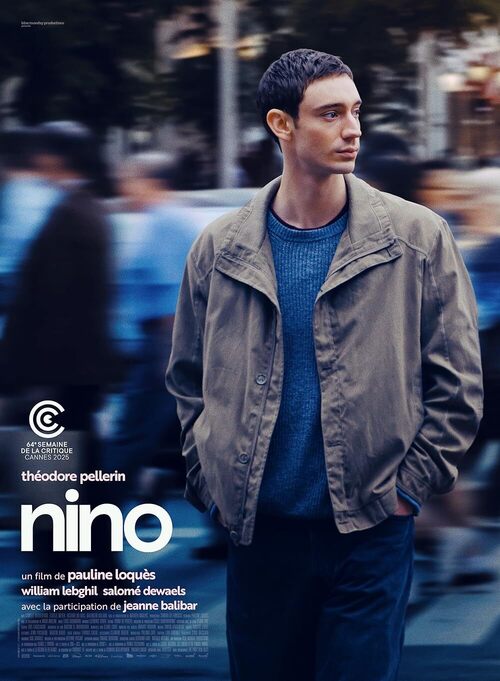
Read more Nino reviews:
| Marko Stojiljkovic |    |
| Esra Kars | |
Director: Pauline Loquès
Writer: Pauline Loquès
Starring: Théodore Pellerin, Salomé Dewaels, Jeanne Balibar, Camille Rutherford, Victoire Du Bois, William Lebghil, Mounir Belhidaoui, Estelle Meyer, Mathieu Amalric
Year: 2025
Runtime: 97 minutes
Country: France
Search database:
