





Eye For Film >> Movies >> Filthy (2026) Film Review


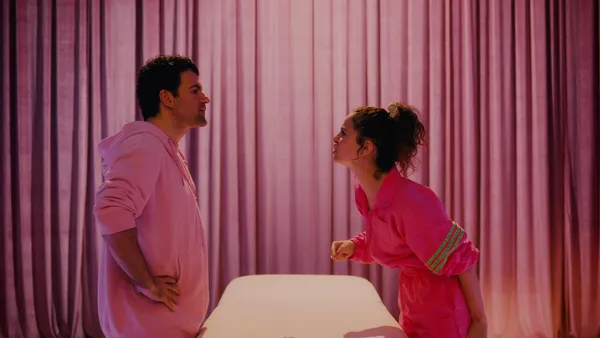

It’s a damning indictment of legal systems around the world that filmmakers keep having to make documentaries about their own quest for justice following rape or sexual assault. Shiori Ito’s powerful Black Box Diaries (2024) showed her raw consideration of her own ordeal as she attempted not only to bring her rapist to justice but to change the outdated Japanese judicial system.
Now, Catalan actor Bàrbara Mestanza, co-directing with Marc Pujolar, tracks her own quest for justice after being sexually assaulted by a masseuse, documenting her long and dogged pursuit of the perpetrator at the same time as she considers the psychological impact on herself and the way such attacks are framed and interrogated (or not) by society more widely. A gripping and powerfully argued work, like Ito before her, Mestanza shows immense fortitude in capturing her raw emotional response on film. Beyond its personal punch, however, the winner of the Grand Jury Prize in the International Competition at Sheffield DocFest is a well constructed and lean film that asks the audience to consider their own response to sexual assault and rape.

Like many survivors of sexual crimes, Mestanza didn’t go to the police immediately, in fact the shock of what had just happened to her was so great that she even paid for the “massage” as she left the building. She found herself triggered years later as she walked past the shop where it happened, a situation compounded by her boyfriend’s reaction – referred to in the original subtitle, which translates as: “Why didn’t you do anything?”
This question – and the fact that it is so frequently asked – lies at the heart of Filthy, as Mestanza began to interrogate both her own reaction to what happened as well as society’s attitude at large. The idea of being what might to some be considered “a problematic victim” spurs Mestanza to write and perform a play about her experience, segments of which are intercut with her pursuit of justice. Mestanza’s emotional journey provides the film’s through line but there are interesting directorial choices made along the way, not least the use of cutaway shots to the audience during the play’s performance, so that we can see how it is being reacted to.
Reaction, in general, is something the film digs into. There’s that initial reaction of Mestanza’s boyfriend, more accusatory than supportive; the reaction of Mestanza’s mother, which speaks to wider experience of abuse; the reaction of the Spanish judicial system, which repeatedly stalls and requires a lot of financial investment from Mestanza to stand any hope of acquiring justice and, although we never see him, there’s the (non)reaction of her attacker himself when she discovers him on Facebook.
“Me and my body, we do count,” Mestanza asserts, while encouraging others to think about their own reactions and experiences in a society where, we’re told, sexual assault is more common than robbery. Beyond the fiscal cost of pursuing her case, Mestanza’s film shines a light on the emotional price that must be paid by any survivor seeking justice, who will be forced to rake over the coals of their experience repeatedly and no matter how burned they already feel. Filthy is so successful because it expands from Mestanza’s personal experience to explore the societal implications of what she went through, suggesting rather than our collective community questioning sex crime survivors, we should be scrutinising our own stance.
Reviewed on: 18 Jun 2026


Director: Marc Pujolar, Bàrbara Mestanza
Writer: Bàrbara Mestanza, Marc Pujolar
Starring: Bàrbara Mestanza, Marc Pujolar
Year: 2026
Runtime: 82 minutes
Country: Spain
Search database:
